Handling That Responds the Way It Should
Steering, Suspension & Wheel Alignments in Midland for vehicles pulling to one side, uneven tire wear, or loose steering response
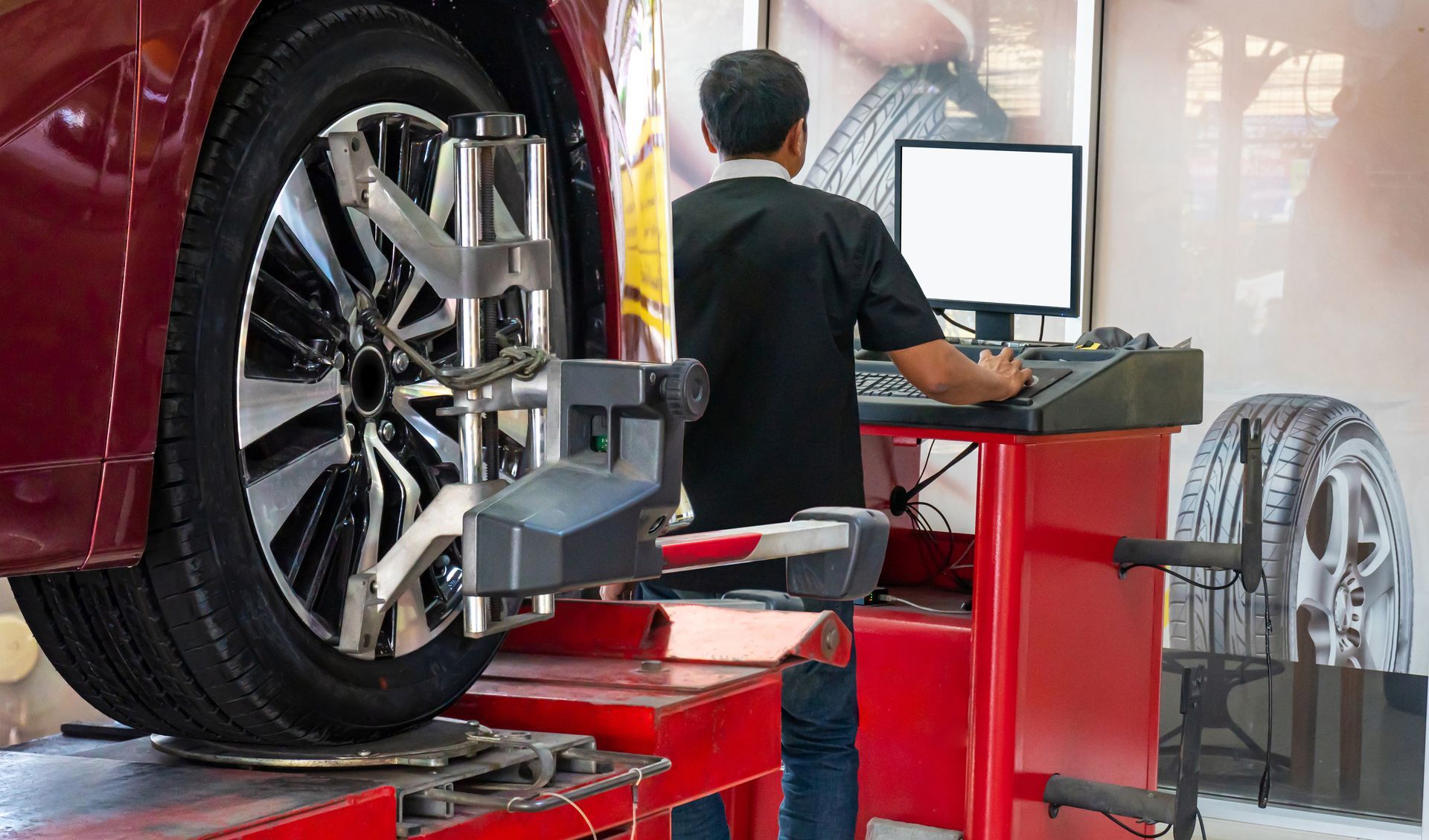
Elite Automotive LLC diagnoses and repairs steering and suspension systems that affect how your vehicle tracks, corners, and absorbs road surface irregularities. When suspension components wear or alignment angles shift out of specification, you notice the vehicle drifting during highway driving, tires wearing unevenly across the tread, or steering that feels vague when making corrections. Serving Midland, the shop uses computerized alignment equipment to measure camber, caster, and toe angles against manufacturer specifications.
The service addresses worn ball joints, tie rod ends, control arm bushings, shocks, struts, and steering linkage components that cause poor road contact and accelerated tire degradation. Alignment corrections restore proper tire contact angles, which directly affects how evenly rubber wears across the tread surface and how much rolling resistance the vehicle encounters during operation.
Schedule an alignment inspection to measure current suspension geometry and identify components affecting tire wear patterns.
What Proper Alignment and Suspension Repair Require
The process begins with a suspension inspection to identify worn components before alignment adjustments are attempted, because correcting angles on a system with failed bushings or ball joints produces temporary results that drift back out of specification within weeks. Computerized alignment equipment measures each wheel's position relative to the vehicle centerline and compares those readings to factory specifications, revealing whether the issue involves adjustable settings or component failure.
After suspension repairs and alignment corrections, your vehicle tracks straight without constant steering input, tires wear evenly across the full tread width rather than showing edge wear or feathering, and fuel efficiency improves because the tires roll with less resistance. Vibrations during highway driving decrease, and the steering wheel sits centered when driving on level pavement.
Alignment checks are necessary after suspension component replacement, new tire installation, or anytime the vehicle contacts curbs or potholes hard enough to shift suspension geometry. Regular alignment service extends tire life by thousands of miles and prevents the need for premature replacement due to uneven wear that leaves some tread areas below safe depth while others remain adequate.
What Drivers Usually Ask About Alignment
These questions address common concerns about suspension systems and wheel alignment service in Midland.
What causes a vehicle to pull to one side during highway driving?
Unequal camber angles between the left and right front wheels, a dragging brake caliper, or mismatched tire pressure create the pulling sensation, and computerized alignment identifies whether suspension geometry or another system is responsible.
How does suspension wear affect tire life?
Worn ball joints, control arm bushings, or tie rod ends allow wheel positions to shift during driving, causing tires to scrub against pavement at incorrect angles and wear through tread on one edge while the opposite edge remains intact.
When should alignment be checked after hitting a pothole?
Any impact severe enough to bend a control arm, shift a subframe mounting point, or damage a strut tower requires immediate alignment measurement, because even small angle changes accelerate tire wear and affect handling stability.
What components typically need replacement during suspension repair?
Shocks and struts lose damping ability after 50,000 to 70,000 miles depending on road conditions, while ball joints, tie rod ends, and control arm bushings wear based on exposure to road salt, temperature cycles, and the frequency of suspension articulation over rough pavement.
Why does alignment improve fuel efficiency?
Proper toe and camber settings reduce rolling resistance by ensuring tires contact pavement squarely rather than at angles that create drag, which forces the engine to work harder to maintain speed and increases fuel consumption during highway driving.
Elite Automotive LLC performs suspension diagnostics and alignment corrections that restore predictable handling and extend tire service life. Request an inspection to evaluate current suspension condition and alignment accuracy.