Finding What's Actually Wrong Before Replacing Parts
Engine Diagnostics & Check Engine Light in Midland for vehicles showing warning lights, rough idle, or reduced fuel economy
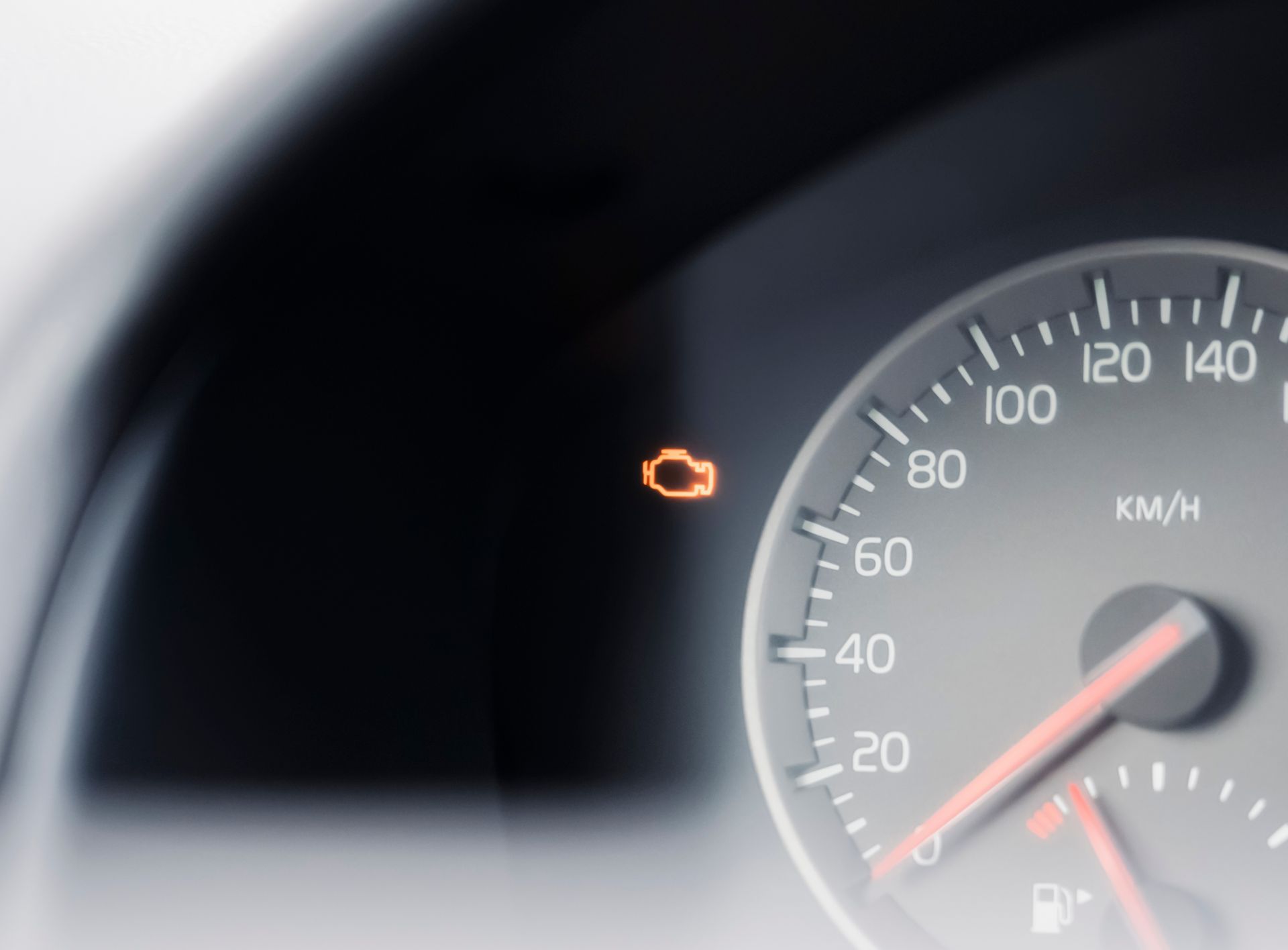
A check engine light appears when onboard computers detect sensor readings that fall outside of normal parameters, signaling that something isn't functioning as it should. However, the light alone doesn’t pinpoint which specific component has failed or why the issue has arisen. The problem could stem from a wide range of potential causes, from something as simple as a loose gas cap to more complex issues like a failing oxygen sensor, a misfiring cylinder, or a malfunctioning catalytic converter. At Elite Automotive LLC, we utilize advanced diagnostic equipment designed to read fault codes accurately, test electrical circuits comprehensively, evaluate sensor data meticulously, and isolate the root cause of the issue rather than relying on guesswork for repairs.
Our diagnostics process begins with state-of-the-art scan tools that retrieve trouble codes from the engine control module. These codes reveal which specific system triggered the warning light, providing a starting point for further investigation. From there, we conduct thorough testing of individual sensors, check wiring harness connections, analyze fuel pressure readings, assess ignition coil output, and review live data streams that unveil how components are performing under various operating conditions. Additionally, observable symptoms such as rough idling, hesitation during acceleration, or poor fuel economy provide valuable clues that help to narrow down the possible failing parts within your vehicle.
If your check engine light is on or you're experiencing performance issues, don’t wait! Schedule diagnostic testing with us today to identify and resolve the specific component causing the warning light or any performance-related concerns. Your vehicle’s health and your safety are our top priorities.
How Accurate Diagnostics Prevent Unnecessary Repairs
Modern vehicles monitor dozens of sensors that track air-fuel mixture, exhaust emissions, ignition timing, and component operation. When one sensor fails, it can trigger multiple fault codes or cause driveability problems that seem unrelated. Testing isolates the actual failed component rather than replacing parts based on symptoms alone, which saves time and avoids installing unnecessary parts that don't fix the underlying problem.
You see the check engine light turn off once the faulty component is replaced and the system confirms proper operation, notice smoother engine performance without rough idling or hesitation, and often observe improved fuel economy as sensors provide accurate data for optimal combustion. Diagnostics also uncover issues before they cause secondary damage—a failing oxygen sensor left unaddressed can damage the catalytic converter, turning a simple sensor replacement into a much costlier repair.
The service covers domestic vehicles, light trucks, diesel engines, and commercial fleets, with testing protocols adjusted for each vehicle's specific control systems and sensor configurations. Electrical testing verifies that wiring harnesses, ground connections, and sensor power supplies function correctly, since electrical faults often mimic sensor failures.
Diagnostic Questions From Vehicle Owners
Drivers in Midland often want to understand what diagnostics involve, how codes relate to actual problems, and when repairs become urgent.
What does a diagnostic scan actually tell you?
The scan retrieves fault codes stored in the vehicle's computer, which indicate which sensor or system reported abnormal readings, and live data shows real-time performance of components like oxygen sensors, mass airflow sensors, and ignition coils.
Why do multiple codes sometimes appear for one problem?
A single failed component can affect other systems—for example, a bad oxygen sensor causes incorrect fuel trim adjustments, which may trigger additional codes for fuel mixture or catalytic converter efficiency even though only the sensor needs replacement.
How does drivability testing differ from code reading?
Drivability testing evaluates how the vehicle actually runs under load, idle, and acceleration, revealing issues that don't always store fault codes but still affect performance, like intermittent misfires or fuel delivery problems.
Can you drive with the check engine light on?
You can drive short distances, but continued operation risks secondary damage—ignoring a misfire can destroy the catalytic converter, and some faults affect emissions or fuel economy, costing more in the long run.
What diagnostic equipment is needed for diesel vehicles?
Diesel diagnostics require scan tools compatible with diesel-specific sensors, including exhaust gas temperature monitors, diesel particulate filter pressure sensors, and glow plug circuit testing not found on gasoline engines.
Elite Automotive LLC performs complete electrical and sensor testing to pinpoint exact failure points before recommending repairs. Bring your vehicle in for accurate diagnostics that prevent unnecessary part replacements and resolve the actual issue.